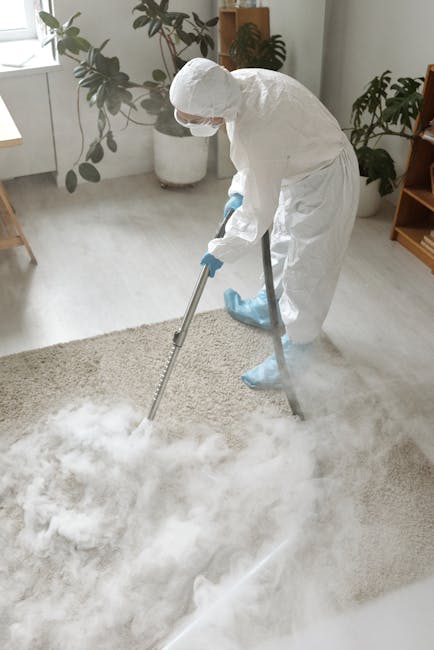
End of tenancy carpet cleaning for Chiswick landlords
If you let property in Chiswick, you already know the last week of a tenancy can feel oddly intense. There are keys to collect, check-out photos to organise, tenants asking one last question, and carpets that somehow look a little more tired than they did a year ago. End of tenancy carpet cleaning for Chiswick landlords is not just a cosmetic extra. Done well, it helps protect the condition of the property, reduces friction at check-out, and makes the next stage - re-letting, refurbishing, or welcoming new occupants - much smoother.
This guide breaks down what professional carpet cleaning actually involves, why it matters for landlords, how to plan it properly, and where people most often go wrong. It also covers best practice, practical checklists, compliance considerations, and a few real-world points that tend to get missed until the day before move-out. Let's face it, that's usually when the panic starts.
Table of Contents
- Why it matters
- How it works
- Key benefits and practical advantages
- Who it is for and when it makes sense
- Step-by-step guidance
- Expert tips for better results
- Common mistakes to avoid
- Tools, resources and recommendations
- Law, compliance, standards and best practice
- Options and methods compared
- Real-world example
- Practical checklist
- Conclusion
- Frequently asked questions
Why End of tenancy carpet cleaning for Chiswick landlords Matters
Carpets take a beating during a tenancy. Foot traffic, drink spills, pet odours, muddy winter shoes, dropped makeup, and the occasional mystery stain all add up. In a busy London rental market, that wear matters because it affects presentation, tenant expectations, and sometimes the handover conversation at the end of the tenancy.
For Chiswick landlords, the practical reason is simple: a clean carpet helps a property feel cared for. Even if the rest of the home is tidy, dull or stained carpets can make rooms look older, darker, and less welcoming. You notice it immediately when you walk into a flat on a grey afternoon and the hallway smells a bit stale. Not disastrous, just enough to make the place feel "due a refresh."
There is also a process reason. End of tenancy cleaning is often used to reset a property between occupants, and carpets are one of the most visible parts of that reset. If carpets are left until after the rest of the cleaning, their condition can undermine an otherwise good finish. A freshly cleaned carpet can lift the whole property. A dirty one can make even spotless kitchen worktops feel less convincing.
There's another angle too: disputes. Landlords and tenants can end up arguing over whether a carpet was handed back in acceptable condition, whether a stain was pre-existing, or whether ordinary wear and tear has crossed into damage. Clear expectations and proper cleaning records help reduce that friction. Not eliminate it entirely. But reduce it, yes.
If you want a broader approach to tenancy resets, it can be helpful to look at the full end of tenancy cleaning service alongside carpet cleaning, rather than treating each task as separate and hoping the last-minute tidy will do the job.
How End of tenancy carpet cleaning for Chiswick landlords Works
Professional carpet cleaning at the end of a tenancy usually starts with an inspection. The cleaner will look at fibre type, pile condition, traffic lanes, visible staining, and any problem spots such as pet areas, hallway edges, or under-sofa marks. This matters because not every carpet responds the same way. Wool, synthetic, loop pile, and mixed fibres each need slightly different handling.
The actual method depends on the material and the level of soiling, but a typical process includes vacuuming, pre-treatment, targeted stain work, hot water extraction or steam-based cleaning where suitable, and careful drying. Some carpets need more agitation on stubborn marks. Others need a gentler approach to avoid over-wetting or distortion. It sounds technical because, to be fair, it is a bit technical.
For landlords, one useful thing to understand is that "clean" and "restored" are not always the same thing. A professional clean can lift embedded dirt, refresh the pile, and remove many stains. It may not reverse permanent fibre damage, colour loss, or very old marks that have set deeply into the carpet. Knowing that upfront makes the conversation with outgoing tenants much easier.
If the property has had pets, smoke exposure, or long-term occupancy, additional treatment may be needed. In some cases, landlords also ask for pet stain and odour removal or broader stain removal support where the issue is more than general dirt.
Timing matters as well. Carpets should ideally be cleaned after the property is emptied and after the main end of tenancy clean, but before check-out photos and final inspection. If you clean too early, fresh foot traffic can undo the work. If you leave it too late, drying time can become a headache. The sweet spot is usually the final phase, with a buffer if possible.
Key Benefits and Practical Advantages
There are obvious benefits, and then there are the slightly less obvious ones that landlords only notice after a few tenancies. Here's the practical value.
- Better presentation for re-letting. Clean carpets make photos look brighter and rooms feel fresher.
- Reduced tenancy friction. A documented clean helps support clearer conversations at check-out.
- Improved first impressions. Prospective tenants notice floors more than many landlords realise.
- Odour reduction. Carpets hold smells from food, pets, damp shoes, and general living.
- Longer carpet life. Regular deep cleaning can help reduce premature wear from abrasive dirt trapped in fibres.
- Better overall hygiene. Dust, allergens, and debris sit lower in the pile where normal vacuuming won't reach everything.
There is also a subtle financial benefit. A property that looks cared for often rents more easily and with less hesitation. You may not be able to put a neat number on that, but you will feel it when viewings go more smoothly and the next tenant doesn't spend three minutes staring at a hallway stain in silence.
If you manage several properties, carpet cleaning can also create consistency. One flat may need a light refresh, another may need a deeper treatment, but the standard stays the same. That consistency is good for your reputation and, frankly, good for your sanity.
For landlords who also manage furnished or partly furnished lets, it can make sense to pair carpet cleaning with upholstery cleaning or sofa cleaning where soft furnishings have absorbed the same tenancy wear.
Who This Is For and When It Makes Sense
This service is mainly for landlords, letting agents, and property managers who want a proper reset between tenancies. It is especially relevant if the property has medium to high footfall, pets, children, heavy-use hallways, or a history of quick turnarounds between occupants.
It also makes sense if the incoming tenant is viewing the property before move-in. A freshly cleaned carpet can help secure the right impression early. In Chiswick, where presentation often plays a big part in letting decisions, that can be a quiet advantage.
Here are a few typical scenarios:
- End of a long-term tenancy: traffic paths, dull pile, and settled dirt are common.
- After a short but busy tenancy: food spills and mixed-use wear may be more obvious than you expect.
- Before a new let starts: a clean carpet helps the property feel ready rather than merely vacated.
- After pet occupancy: odour and staining usually need more attention than a standard surface clean.
- Following a move-out clean: carpets are often the final detail that makes the whole property feel finished.
If you are coordinating a wider refresh, it can be sensible to combine carpet work with move-out cleaning or even move-in cleaning depending on the handover schedule.
And if you're wondering whether a landlord really needs this every single time, the honest answer is: not always. But if the carpet has visible wear, smells musty, or has any staining at all, it usually makes sense. Why gamble on a complaint later?
Step-by-Step Guidance
1. Inspect the carpet properly
Walk the property in good light and look at the carpet from a few angles. Traffic lanes, stair edges, under furniture, and doorway areas are the places to focus on. Check for wet marks, set-in stains, burns, pulled fibres, and anything that may need special treatment.
2. Separate cleaning from damage
Be clear about what is removable soil and what is actual damage. A professional clean can lift dirt and some staining, but it cannot always correct bleach spots, melted fibres, or heavy matting. This distinction matters in tenant discussions. It saves awkwardness later.
3. Choose the right method
Different carpets need different approaches. Steam carpet cleaning or hot water extraction is common for many synthetic carpets, while delicate or specialist fibres may need a more controlled method. A good cleaner should explain the plan, not just arrive and hope for the best.
4. Treat stains before the main clean
Specific stain types often need targeted pre-treatment. Tea, coffee, wine, makeup, and pet-related marks can behave differently. A pre-spray or spot treatment helps improve the final result, especially in visible areas like living rooms and halls.
5. Clean in the right order
It usually makes sense to finish the rest of the property clean first, then do the carpet cleaning near the end. That way, dust from other tasks does not settle straight back into freshly cleaned fibres. A tidy sequence matters more than people think.
6. Allow proper drying time
Drying is one of those things people underestimate until they are tiptoeing around a damp hallway. Open windows where appropriate, keep air moving, and allow enough time before the final handover. Rushing this step can spoil a good job.
7. Document the result
Take clear before-and-after photos. Keep the invoice and any notes on stains that remained or were treated. If there is a dispute, having a record is a real help. Simple, practical, unglamorous. Very useful.
Expert Tips for Better Results
After enough tenancy cleans, you start to notice the same patterns. The following tips are small, but they make a genuine difference.
- Book cleaning after the tenant has fully moved out. Empty rooms are easier to treat, and there is less risk of new dirt being tracked in.
- Ask about fibre type. If you know the carpet material, it helps the cleaner choose the right approach faster.
- Don't ignore hallway edges. These areas collect more grime than the middle of the room. You can see it once you know to look.
- Use deodourising only when needed. Masking smells is not the same as removing them.
- Plan around heating and ventilation. A warm, airy room usually dries better than a closed-up one.
- Keep track of repeat problem areas. If one bedroom keeps showing the same stain pattern tenancy after tenancy, something in the occupancy or furniture layout may be causing it.
One practical tip that gets overlooked: if the property has just had an after-builders refresh or a minor repair, dust can settle into the pile very quickly. In that case, a clean may be better scheduled after any after builders cleaning has finished, otherwise you're just doing the job twice. Nobody wants that.
Another small point. If the carpet is in communal entry space or shared access, keeping those areas clean can help protect the main property too. For landlords with maisonettes or shared hallways, communal area cleaning can be worth considering as part of the wider handover plan.
Common Mistakes to Avoid
Most avoidable problems come down to timing, assumptions, or trying to save a bit of hassle by cutting corners. Fair enough, people are busy. But carpets remember.
- Leaving the job until the last minute. That often creates drying issues and a rushed inspection.
- Assuming vacuuming is enough. It helps, but it won't remove embedded grime or most tenancy odours.
- Using too much moisture. Over-wetting can lead to long drying times and, in some cases, backing or fibre problems.
- Ignoring specialist stains. One untreated mark in a visible area can dominate the whole room.
- Mixing cleaning tasks without a plan. If the carpets are cleaned too early, other work may undo the result.
- Not confirming expectations. Landlord and tenant should both know what "professionally cleaned" means in practice.
There's a quieter mistake too: failing to differentiate between normal wear and tear and avoidable dirt. A carpet that has faded naturally over time is not the same thing as one with obvious spill marks. Good judgment matters, and it usually avoids a tense email chain. Which, frankly, nobody enjoys.
Tools, Resources and Recommendations
You do not need to become a carpet technician to manage tenancy cleaning well, but having the right tools and information on hand makes a big difference.
Useful practical items include:
- a strong vacuum cleaner with a suitable brush head
- white cloths or absorbent towels for blotting spills
- a simple inspection checklist for move-out day
- good lighting, ideally daylight or a bright torch for corners
- a camera or phone for before-and-after records
- an agreed cleaning schedule that fits with inventory and handover timing
For landlords who want to understand pricing or plan within a turnover budget, the site's pricing and quotes page is a sensible starting point. If you want to learn more about the provider itself, the about us page helps establish who is behind the service and how they work.
If you are the kind of person who likes to get things tidy in one sweep, it can also help to coordinate carpets with window cleaning, oven cleaning, or a broader deep cleaning package. The whole property benefits when the cleaning tasks are not handled in isolation.
Law, Compliance, Standards and Best Practice
This is the section where landlords should be careful and sensible. End of tenancy carpet cleaning is not about making dramatic legal claims. It is about acting reasonably, documenting properly, and aligning with the tenancy agreement and accepted industry practice.
In the UK, tenancy deposit disputes typically turn on evidence, condition, and fairness. If carpet cleaning is required by the tenancy agreement, that clause should be followed reasonably and proportionately. If there is already fair wear and tear, that should be treated differently from neglect or avoidable staining. That sounds obvious, but the details matter in real life.
Best practice usually means:
- checking the written tenancy agreement before making demands
- using clear inventory and check-out records
- distinguishing wear and tear from damage
- keeping invoices and date-stamped photos
- using insured, suitable methods for the carpet type
- avoiding overstated claims about what a clean can achieve
Health and safety also matter. Wet floors create slip risk, equipment should be used properly, and cleaning products should be applied with care. If you are arranging third-party work, it is sensible to review the provider's health and safety policy and insurance and safety information. Those pages are not glamorous reading, granted, but they do matter when something unexpected happens.
Landlords also have a wider responsibility to act fairly and handle tenants' belongings and access with respect. Good communication beats confrontation every time. A calm, documented approach is much easier to defend than a hurried one.
Options and Methods Compared
| Method | Best for | Strengths | Limitations |
|---|---|---|---|
| Vacuuming only | Light surface dust | Quick, low cost, useful before inspection | Will not remove embedded dirt or deep stains |
| Spot treatment | Small isolated marks | Targets visible stains directly | Not enough for overall tenancy reset |
| Steam or hot water extraction | Most synthetic tenancy carpets | Deep clean, strong soil removal, fresh finish | Needs proper drying and suitable fibre matching |
| Low-moisture cleaning | Delicate or time-sensitive spaces | Faster drying, gentler process | May be less effective on heavy soiling |
| Combined deep clean package | Whole-property handovers | Efficient, consistent, convenient | Requires more planning and coordination |
For most Chiswick rental properties, the best choice is usually a professional carpet clean matched to the material and tenancy condition, rather than a one-size-fits-all solution. If the carpet has serious localised staining or odour, ask for a method that specifically addresses that rather than just a general freshen-up.
Case Study or Real-World Example
A typical scenario: a two-bedroom flat in Chiswick comes to the end of a 14-month tenancy. The tenants have kept the place reasonably tidy, but the living room shows a traffic lane from the sofa to the balcony door, the hallway has darkened at the edges, and there is a faint dog smell from a short period of pet occupancy. Nothing extreme. Just enough to make the property feel a bit tired.
The landlord arranges an end of tenancy clean and schedules carpet work for the final day after keys are returned. The cleaner inspects the wool-mix carpet, pre-treats the traffic lanes, treats the hallway edges, and focuses on the pet area with odour control. After drying overnight with windows opened safely and heating kept moderate, the flat looks brighter. The hallway no longer has that dull, flat look. The odour has dropped noticeably too.
When the new tenant views the property the next morning, the difference is obvious. The rooms feel fresh, and the carpet is not distracting anyone. That is the real win. Not perfection, just a property that feels ready. Easy to underestimate, that.
If the same flat had also needed bedroom furniture cleaning, the landlord might have considered pairing it with mattress cleaning or rug cleaning depending on what stayed in the property. Matching the task to the actual occupancy makes the turnaround smoother.
Practical Checklist
Use this checklist before handover day. It keeps the process grounded and reduces last-minute scrambling.
- Confirm the tenancy end date and access arrangements
- Check the tenancy agreement for any cleaning requirements
- Inspect carpets in daylight where possible
- Note stains, odours, burns, and worn areas
- Take before photos from the same angles you will use later
- Decide whether you need general carpet cleaning or targeted stain and odour treatment
- Schedule carpet cleaning after the property is empty
- Allow enough drying time before final inspection
- Keep invoices and service notes together with the inventory file
- Do a final walk-through once the carpet is dry
Quick landlord reminder: if a stain has been present for some time, be realistic about the result. A thorough clean can make a big difference, but some marks are permanent. Managing expectations early is much better than promising a miracle and getting none.
If you are comparing service options, it may also help to review one-off cleaning for occasional resets or regular cleaning if you want an ongoing maintenance rhythm between tenancies.
Conclusion
End of tenancy carpet cleaning for Chiswick landlords is one of those practical jobs that pays off in several directions at once. It improves presentation, helps reduce disagreements, supports faster re-letting, and gives the whole property a more cared-for feel. Sometimes the difference is dramatic. Sometimes it is quieter than that, just a cleaner, more settled room. But it still matters.
The best results come from planning early, choosing the right method for the carpet type, and treating the clean as part of the whole tenancy handover rather than an afterthought. Keep your records, stay realistic about what a clean can achieve, and work with providers who understand the realities of London rentals. That's the sensible route, and usually the least stressful one too.
If you want to prepare the handover properly and keep everything on a firm footing, speak with a local specialist and get the plan in place before checkout day arrives.
Get a free quote today and see how much you can save.
Frequently Asked Questions
Do landlords in Chiswick need end of tenancy carpet cleaning every time?
Not always. It depends on the tenancy agreement, the carpet condition, and whether the carpet shows visible soiling, staining, or odour. If the carpet is already in good condition, a light refresh may be enough. If it looks tired or smells stale, professional cleaning usually makes sense.
Is carpet cleaning the landlord's responsibility or the tenant's?
That depends on the tenancy agreement and the circumstances at check-out. Some agreements require carpets to be professionally cleaned when the tenant leaves, while others simply require them to be returned in a reasonable condition. It is best to rely on the written agreement and the inventory evidence.
What is the best cleaning method for end of tenancy carpets?
For many tenancy carpets, hot water extraction or steam carpet cleaning is effective, especially on synthetic fibres. But the best method depends on the material, the level of soiling, and whether there are special stains or odours. A proper inspection should decide the method, not guesswork.
How far in advance should a landlord book the service?
Ideally, book once the move-out date is confirmed, then schedule the clean for after the property is empty. That gives you room to manage access, drying time, and any follow-up work. Leaving it until the final afternoon tends to create avoidable pressure.
Can a carpet clean remove all stains?
Not all of them. Many stains can be improved significantly, but some marks are permanent, especially if they are old, bleached, heat-set, or due to fibre damage. A good cleaner should explain what is realistic before starting.
What should landlords look for in a carpet cleaner?
Look for experience with tenancy cleans, clear communication, suitable equipment, insurance, and a sensible approach to different fibres and stain types. It also helps if they can explain drying times and provide proper documentation after the job.
Should carpet cleaning be done before or after the end of tenancy clean?
Usually after the main clean, once the property is empty and dust-generating tasks are finished. That helps avoid fresh dirt settling back into the carpet. If another trade or repair job is happening, the carpet clean may need to be scheduled last.
How long do carpets take to dry?
Drying time depends on carpet type, ventilation, temperature, and how much moisture was used. Some carpets dry fairly quickly, while others need longer. Good airflow helps. It is wise to plan for the carpet to be left undisturbed until fully dry.
Can carpet cleaning help with pet smells?
Yes, often it can. Pet-related odours are commonly trapped in the carpet and underlay, so targeted cleaning and odour treatment may reduce the smell substantially. In heavier cases, the underlay or subfloor may need attention too.
Is professional carpet cleaning worth it for a small flat?
Very often, yes. Small flats can show carpet wear more obviously because one hallway or living area carries most of the foot traffic. A clean carpet can change the whole feel of the space, which matters when you are preparing for a new tenant.
How can landlords reduce disputes at check-out?
Use a detailed inventory, take good photos, keep cleaning records, and explain expectations clearly from the start. When both sides know the condition at move-in and move-out, the conversation tends to stay much calmer. Not always, but often enough.
What if the carpet is too worn to clean properly?
If the carpet is genuinely worn, cleaning may improve appearance but not fix structural wear, flattening, or fibre loss. In that case, it may be better to treat cleaning as a maintenance step and assess whether replacement is needed later. That is a judgment call, and a sensible one.
In the end, a well-handled carpet clean does more than tidy a room. It helps close one tenancy properly and open the next one with confidence. That little bit of calm, right at the handover, is worth a lot.