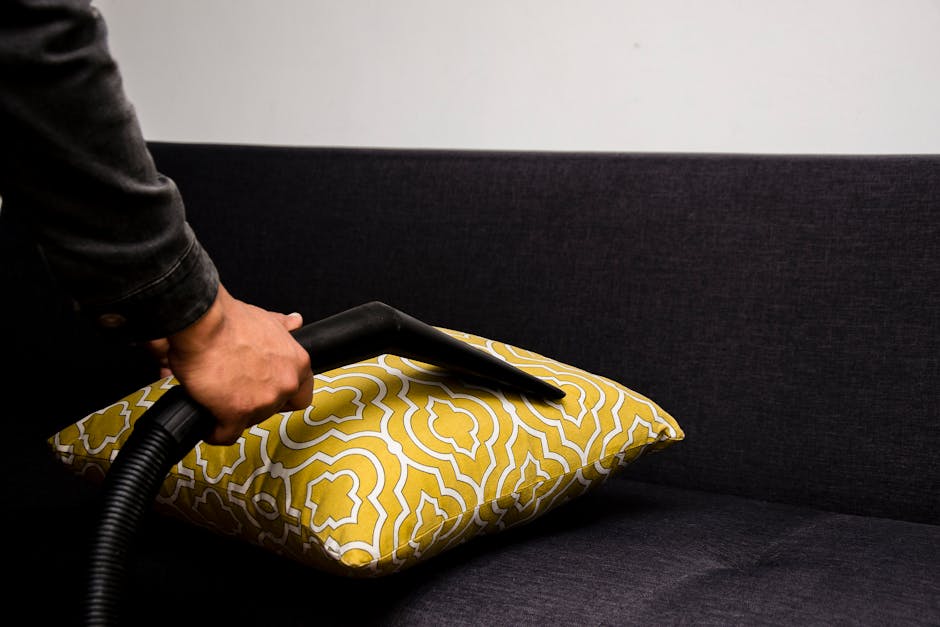
Same day upholstery cleaning in Turnham Green available
Posted on 02/07/2026
Same day upholstery cleaning in Turnham Green available: a practical local guide
If you have a sofa with a fresh spill, a dining chair that picked up a mystery mark, or a rental property that needs to look presentable by tonight, same day upholstery cleaning in Turnham Green available can feel like a lifesaver. Not dramatic, just practical. In a busy part of West London, life moves quickly, and upholstery problems rarely wait for a convenient date.
This guide explains what same-day upholstery cleaning actually involves, how the process works, what results to expect, and how to decide whether it is the right option for your fabric, your schedule, and your space. You will also find a clear checklist, a useful comparison table, and a realistic look at when fast cleaning makes sense - and when it may be better to slow down a little.
For broader service context, you may also find the company's upholstery cleaning service in Chiswick and services overview helpful while you compare your options.
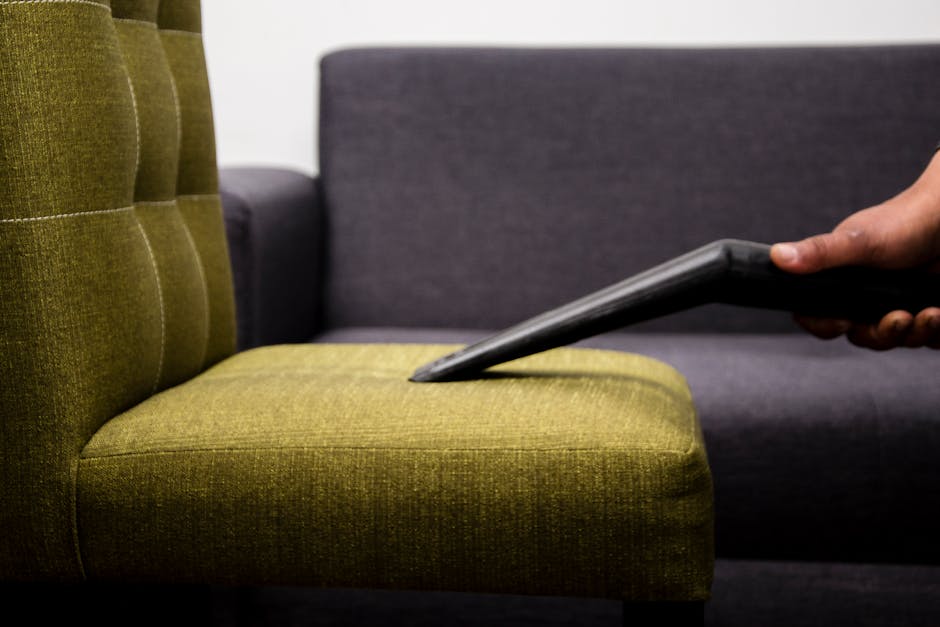
Why Same day upholstery cleaning in Turnham Green available Matters
Upholstery is one of those things people notice immediately, even if they do not consciously mean to. A coffee ring on a sofa cushion, crumbs ground into a fabric armchair, or pet marks on a loveseat can change how a whole room feels. The room looks tired. The sofa looks neglected. And if you have guests arriving, a property viewing scheduled, or a family event coming up, that kind of detail can suddenly matter quite a lot.
Same-day service matters because the sooner a stain or spill is treated, the better the chance of limiting spread, odour, and long-term fibre damage. That is especially true for absorbent fabrics, natural fibres, and pieces with older stain history. In plain English: waiting often makes the job harder.
There is also the timing issue. Turnham Green sits within a part of London where schedules are full, parking can be tight, and many homes are lived in heavily. If you work from home, manage a short-let, or are trying to get a flat ready between tenants, speed is not a luxury. It is the whole point.
A well-run same-day upholstery clean should not feel rushed in the sloppy sense. It should feel organised: quick assessment, sensible stain treatment, appropriate cleaning method, and realistic drying expectations. If someone promises miracle results in thirty minutes, to be fair, that is usually a red flag.
How Same day upholstery cleaning in Turnham Green available Works
Same-day upholstery cleaning is not a different category of cleaning; it is the speed of response. The cleaner still has to inspect the fabric, identify the type of stain or soiling, choose a suitable method, and allow for drying time. What changes is the turnaround between your enquiry and the visit.
In practice, the process often goes like this:
- You make an enquiry and describe the item, fabric, stain type, and urgency.
- The cleaner checks whether same-day attendance is feasible based on location, schedule, access, and equipment availability.
- Basic advice may be given straight away, such as blotting rather than rubbing a spill.
- A technician arrives with the right tools, pre-inspects the upholstery, and confirms the safest cleaning approach.
- Targeted pre-treatment is applied to stains and high-traffic areas.
- The main cleaning method is carried out, usually with a fabric-safe extraction or low-moisture process, depending on the item.
- The cleaner gives drying guidance and aftercare advice so you do not accidentally undo the work by lunch-time enthusiasm.
The important point is that same-day work still needs judgement. A velvet chair, a synthetic sofa, and a linen footstool all behave differently. If a cleaner treats every piece the same, that is not efficiency. That is guesswork.
For readers who want to understand how upholstery care sits alongside other domestic cleaning needs, the company's domestic cleaning in Chiswick and house cleaning in Chiswick pages can be useful points of reference.
Key Benefits and Practical Advantages
The biggest benefit is obvious: speed. But there is more to it than that.
- Faster stain control: Fresh marks are generally easier to treat before they sink deeper into the fibres.
- Less disruption: A same-day visit can help you stay on top of a busy household, guest arrival, or moving timetable.
- Better presentation: If your sofa or chairs are visible from the front door, a cleaner finish can change the whole feel of the room.
- Odour reduction: Spills, pet accidents, and food residues can leave lingering smells if left too long.
- Fabric-specific care: A good cleaner will adapt to the material rather than forcing one method onto everything.
- Stress relief: Honestly, there is something calming about fixing the problem the same day instead of staring at it for two days and feeling mildly annoyed every time you walk past.
There is also a financial logic to fast action. Upholstery replacement is expensive, and even avoidable damage can shorten the life of a favourite chair or sofa. Same-day cleaning will not solve every issue, of course, but it can sometimes stop a small problem from becoming a much bigger one.
Expert takeaway: Same-day upholstery cleaning is most valuable when the mark is fresh, the upholstery is still structurally sound, and speed matters as much as the final appearance. Quick response is great, but only when paired with the right cleaning method.
Who This Is For and When It Makes Sense
This service is a strong fit for people who need a practical answer fast, not theoretical advice for next week.
You may benefit from same-day upholstery cleaning if you are:
- hosting guests or family later that day
- preparing for a tenancy handover or inventory visit
- managing a short-term let or holiday rental
- dealing with a food, drink, or pet spill that is still fresh
- refreshing a sofa before an event or property viewing
- trying to restore a room after heavy everyday use
- living with children, pets, or both - which, let's face it, is where most sofa dramas begin
It is also useful for landlords, letting agents, and homeowners who need a cleaner interior quickly for presentation purposes. If you are in the middle of a move, pairing furniture care with a move-out clean can make the whole property feel more sorted. In that context, the company's end of tenancy cleaning in Chiswick page is worth a look as part of a broader clean-up plan.
That said, not every situation is ideal for same-day treatment. Heavy dye transfer, long-set stains, delicate antique fabrics, or upholstery with hidden water damage may need a slower, more cautious approach. Sometimes the best professional answer is not "yes, right now" but "yes, but with care." That is a good sign, not a bad one.
Step-by-Step Guidance
If you want the best possible outcome from an urgent appointment, a little preparation goes a long way. The cleaner cannot fix what they cannot access, and they cannot choose the right method if they do not know what happened.
- Identify the item. Note whether it is a sofa, armchair, stool, bench, dining chair, or office seating.
- Check the fabric if you can. If there is a care label, mention it. If not, describe the feel and look of the material.
- Explain the problem clearly. Say whether it is a spill, pet stain, grease mark, general dullness, odour, or mixed soiling.
- Share timing details. Fresh spill at 9 a.m. is very different from a mark that has sat since yesterday evening.
- Clear access. Move light items, cushions, or clutter out of the way so the technician can get to work quickly.
- Protect the area. If possible, keep pets out of the room and open a window a little for airflow.
- Ask about drying. This matters more than people think. You need to know when the upholstery is likely safe to use again.
- Follow aftercare advice. Avoid placing throws, cushions, or hands back on a damp surface too soon.
A small but important point: do not scrub at stains before the appointment unless you have been specifically advised to do so. Rubbing can push residue deeper and spread the mark. Blotting gently is usually safer. A tea towel, a dry white cloth, and a calm head are often a better emergency kit than anything fancy.
Expert Tips for Better Results
There are a few habits that consistently improve the outcome of upholstery cleaning, especially when time is tight.
1. Treat fresh spills as a race against absorption
The first few minutes matter. Blotting is usually kinder than wiping. A stain remover in the wrong hands can turn one mark into three. Not ideal.
2. Mention fabric risk early
Velvet, silk blends, rayon mixes, and heavily textured fabrics can react differently from standard synthetics. If you suspect a delicate fabric, say so at the booking stage. For readers with delicate furnishings, the company's blog on caring for velvet without damage offers a helpful sense of the caution these materials need.
3. Ask what drying time really means
Drying can depend on ventilation, humidity, cleaning method, pile thickness, and how much solution was used. "Dry by evening" is not the same as "ready in an hour." Good cleaners will explain the difference plainly.
4. Keep the room workable
A clutter-free route to the item saves time and reduces the chance of accidental knocks or missed spots. It sounds obvious, but people often forget this in the middle of a busy day.
5. Balance speed with caution
Same-day cleaning is valuable, yet not every stain should be aggressively chased. If the fabric is sensitive, the technician may choose a gentler process even if that means a slightly longer appointment. Sensible, really.
A useful rule of thumb: fast service should never mean careless service. The best outcome is usually the one that combines speed, restraint, and proper technique.
Common Mistakes to Avoid
People often make small errors that seem harmless in the moment but complicate the cleaning later. These are the big ones.
- Rubbing instead of blotting. This spreads the stain and can damage the pile.
- Using too much water. Over-wetting can leave tide marks, slow drying, and sometimes cause deeper issues inside the cushion.
- Applying random household products. Bleach, fragrance sprays, and kitchen cleaners are usually a poor match for upholstery.
- Waiting too long to report the spill. Even a few hours can make a difference with coloured drinks, oils, or pet accidents.
- Ignoring the fabric type. What works on a synthetic sofa can be risky on natural fibres or delicate weaves.
- Expecting instant perfection. Some stains lighten dramatically; some need repeat treatment; some may leave slight ghosting. That is normal and honest.
Another mistake is not asking the cleaner about their process. You do not need a lecture, but you do need confidence that they are using a method suitable for your upholstery. Good communication tends to save everyone time. Funny how that works.
Tools, Resources and Recommendations
For a same-day appointment to go smoothly, the right tools and a little preparation matter. You do not need specialist gear yourself, but it helps to understand what a technician is likely to use and what you should keep handy.
Typical professional tools and materials may include:
- fabric-safe upholstery cleaning solutions
- pre-treatment products for spots and stains
- hot-water extraction or low-moisture cleaning equipment, depending on the fabric
- microfibre cloths and absorbent pads
- brushes designed for upholstery pile and texture
- air movers or practical drying support when appropriate
Useful things for you to have ready:
- the item accessible from all sides, if possible
- basic information about the stain source
- any care label or manufacturer guidance
- parking or access instructions if the street is awkward
- a clear sense of who will be home during the visit
For a broader view of service standards and company information, the pages on about us, insurance and safety, and payment and security can help you decide whether a provider feels credible and well-organised.
If you are comparing services for a larger household refresh, you might also use the pricing and quotes page to understand how costs are normally discussed before booking. No awkward guessing. Much better that way.
Law, Compliance, Standards and Best Practice
Upholstery cleaning is not usually a heavily regulated service in the way some specialist trades are, but there are still important best-practice points. A careful provider should work in a way that protects your home, your belongings, and the technician carrying out the work.
In the UK, professional cleaners are generally expected to use appropriate care around chemicals, electrical equipment, moving furniture, and slip risks. That means sensible handling of cleaning agents, good ventilation where needed, and clear communication about drying and access. If a cleaner makes strong promises without mentioning fabric risk, drying time, or aftercare, be a little cautious.
There is also a practical duty of honesty. If a stain is unlikely to disappear completely, that should be explained clearly. Good service is not about pretending every mark can be erased. It is about doing the best safe clean, then telling the truth about the result.
For customers who care about how a business operates, company policies can also be reassuring. The pages on health and safety policy, terms and conditions, privacy policy, and complaints procedure show the sort of transparency people often look for before booking. It is not glamorous reading, granted, but it does tell you a lot about how a company thinks.
Best practice, in simple terms, is this: inspect properly, choose the least risky effective method, manage moisture carefully, and leave the item in a safe state for drying.
Options, Methods, and Comparison Table
When people ask about same-day upholstery cleaning, they are often really asking: what method will work best for my sofa today? The answer depends on the fabric, the stain, and the amount of drying time you can tolerate.
| Method | Best for | Strengths | Watch-outs |
|---|---|---|---|
| Hot-water extraction | Synthetic upholstery, heavier soil, general refresh | Deep clean, good residue removal | Can require longer drying; not ideal for very delicate fabrics |
| Low-moisture cleaning | Mixed fabrics, faster turnaround needs, lighter contamination | Quicker drying, often more flexible | May be less suitable for deep embedded soils |
| Spot and stain treatment | Fresh marks and localised spills | Fast, targeted, useful before a full clean | May not address overall dullness or odour |
| Dry-clean-style fabric care | Sensitive materials and specialist upholstery | Gentler on certain textiles | Needs correct fabric identification and careful handling |
Which method is "best" depends on the job, not the marketing slogan. A dining chair with a sauce stain needs a different approach from a large sofa that has seen a year of everyday family life. Different tools, different outcomes. Simple as that.
Case Study or Real-World Example
Here is a realistic example, without dressing it up too much.
A household in Turnham Green noticed a red drink had spilled on a light-coloured sofa just before guests were due later that afternoon. They blotted the area straight away, avoided using a supermarket spray, and contacted a cleaner for same-day help. On arrival, the technician checked the fabric type, treated the stain carefully, and cleaned the surrounding area to reduce any patchy border effect. The stain softened significantly, the sofa looked fresher, and the household could use the room that evening without turning the cushions around to hide the mark. A small win, but a satisfying one.
What made the difference? Three things: quick action, sensible restraint, and a method matched to the fabric rather than forced onto it. It is a good reminder that speed alone is not the whole story. The way you respond matters as much as the appointment itself.
In a different situation, such as a large greasy stain on a very old armchair, the cleaner might have recommended a more cautious approach or warned that full removal was not guaranteed. That honesty is worth more than a shiny promise. Every time.
Practical Checklist
Use this quick checklist before your same-day appointment.
- Identify the furniture item and how many pieces need cleaning.
- Describe the stain clearly and say when it happened.
- Note the fabric if you know it, or mention if it is delicate.
- Clear access around the item and move breakables.
- Keep pets and children away from the work area while cleaning happens.
- Ask about expected drying time before the technician starts.
- Follow aftercare guidance exactly, especially around ventilation and re-use.
- Keep the room stable after cleaning - no jumping straight onto the sofa with a hot cup of tea. Tempting, though.
Quick summary: if the stain is fresh, the fabric is suitable, and access is straightforward, same-day upholstery cleaning can be an excellent practical fix. If the material is delicate or the mark is old and deep, a more measured approach may deliver a better long-term result.
Conclusion
Same day upholstery cleaning in Turnham Green available is, at its best, a fast and sensible way to rescue upholstery before a small mess becomes a long-running annoyance. It works well for fresh spills, busy households, last-minute hosting, rental turnover, and anyone who simply does not want to stare at a stain for another 48 hours.
The key is to treat the service as a skilled, fabric-aware response rather than a one-size-fits-all rush job. Ask clear questions, prepare the room, be honest about the stain, and allow the cleaner to choose the safest method. That combination usually gets the best outcome - and saves everyone a bit of stress.
Get a free quote today and see how much you can save.
And if the sofa looks better than it did this morning, well, that's a good day's work. Simple pleasure, really.